Swedish Fika: a special kind of coffee break
Things to do
Things to do


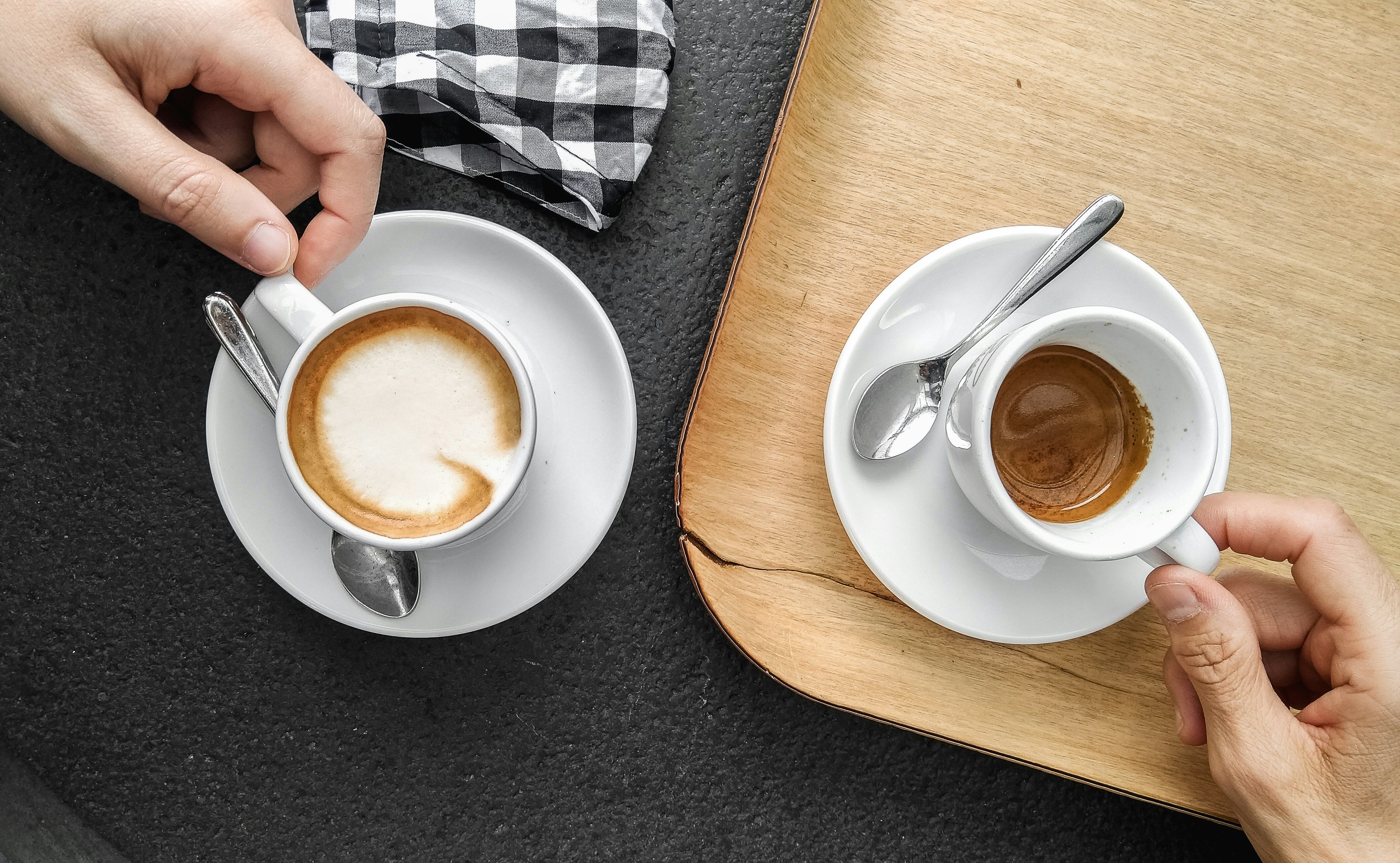
Freshly brewed coffee, sweet cinnamon buns and good company...fika is a tradition we can totally get on board with. Sweden's coffee and cake culture has become almost as famous as its flat-packed furniture, iconic pop bands and delicious meatballs. But this much-loved Swedish tradition is about more than just getting your caffeine fix and satisfying your sweet tooth. It's about company, connection and taking a well-deserved break from everyday life.
From where it came from and the sweet treats that go with it, to ways to make it part of your daily routine, here's everything you need to know about fika.
Although as a nation, we do love a good cuppa, fika is about so much more than a quick brew and a digestive whilst tapping away at your laptop. It's a deep cultural tradition centred around taking a proper break, connecting with others and enjoying a warm drink alongside something delicious. The thing about fika is that it's not really about what you're eating or drinking, it's about being present, making time for people and enjoying the moment. It's become such an important part of Swedish life that in many workplaces, fika breaks are even built into the working day.
In Sweden, the word fika is used as both a noun and a verb - you can have a fika, a coffee break, or say you're going to fika with someone. Either way, it's a word that's firmly established itself in everyday Swedish life.
Sweden is a big coffee-loving nation. The drink first arrived in the country back in the late 17th century, and became increasingly popular during the 18th century, despite it being banned on a few occasions.
By the 19th century, coffee had become an important part of everyday life, and baked goods had become part of the ritual too, with the arrival of patisseries helping to cement the coffee-and-cake tradition that would later become associated with fika.
The actual word fika is said to derive from the old Swedish word for coffee, kaffi, with the syllables reversed. Nowadays, it refers not just to coffee, but to the whole tradition of taking a break, connecting with others and enjoying a warm drink and something tasty.
The thing about fika is that it's way deeper than just coffee and a cake. It's about that catch-up with a friend you've not seen in forever, building relationships with colleagues away from your desk and chitchatting nonsense with family whilst putting your everyday stresses aside. It encourages human connection and allows you to check in on people, whilst also giving you the opportunity to take a breather, unwind and return to your day feeling less stressed and more productive.
Known for its high quality of life, Sweden regularly features amongst the world's happiest countries, and fika's emphasis on connection, being present and slowing down could well play a part.
The word fika may have originally derived from the word for coffee, but the sweet something that's served alongside it has become just as important. Although Sweden has plenty of delicious cakes and pastries, there are a few that have become synonymous with the fika tradition. These include:
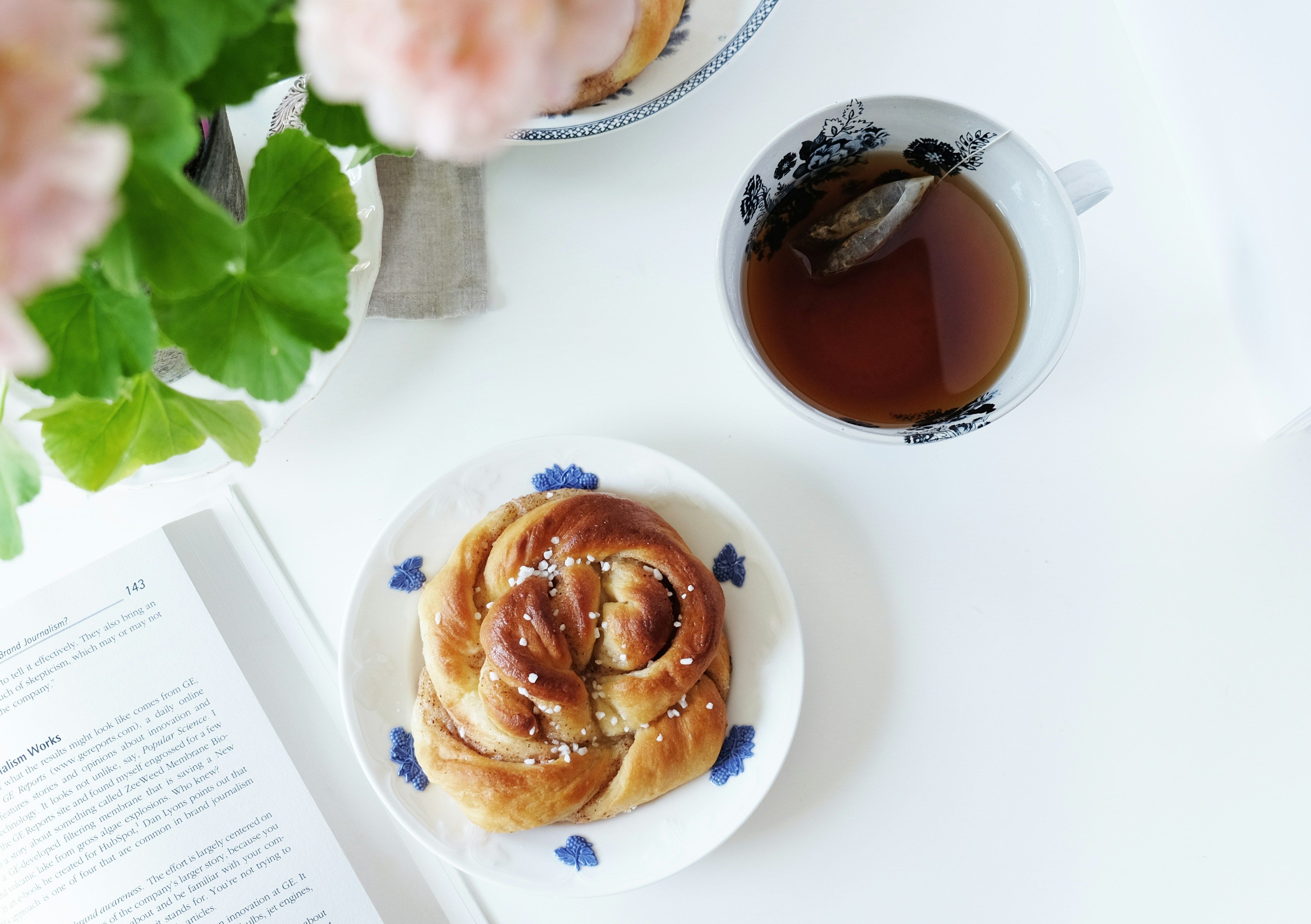
The cinnamon bun is the most famous fika treat. In fact, it's so deeply rooted in Swedish tradition that there's even a national celebration for the cinnamon bun on the 4th October. And once you've tried one, it's easy to see why. The knotted bun is made with cardamom-infused dough, filled with butter, sugar and cinnamon, and topped with a crunchy layer of pearl sugar.
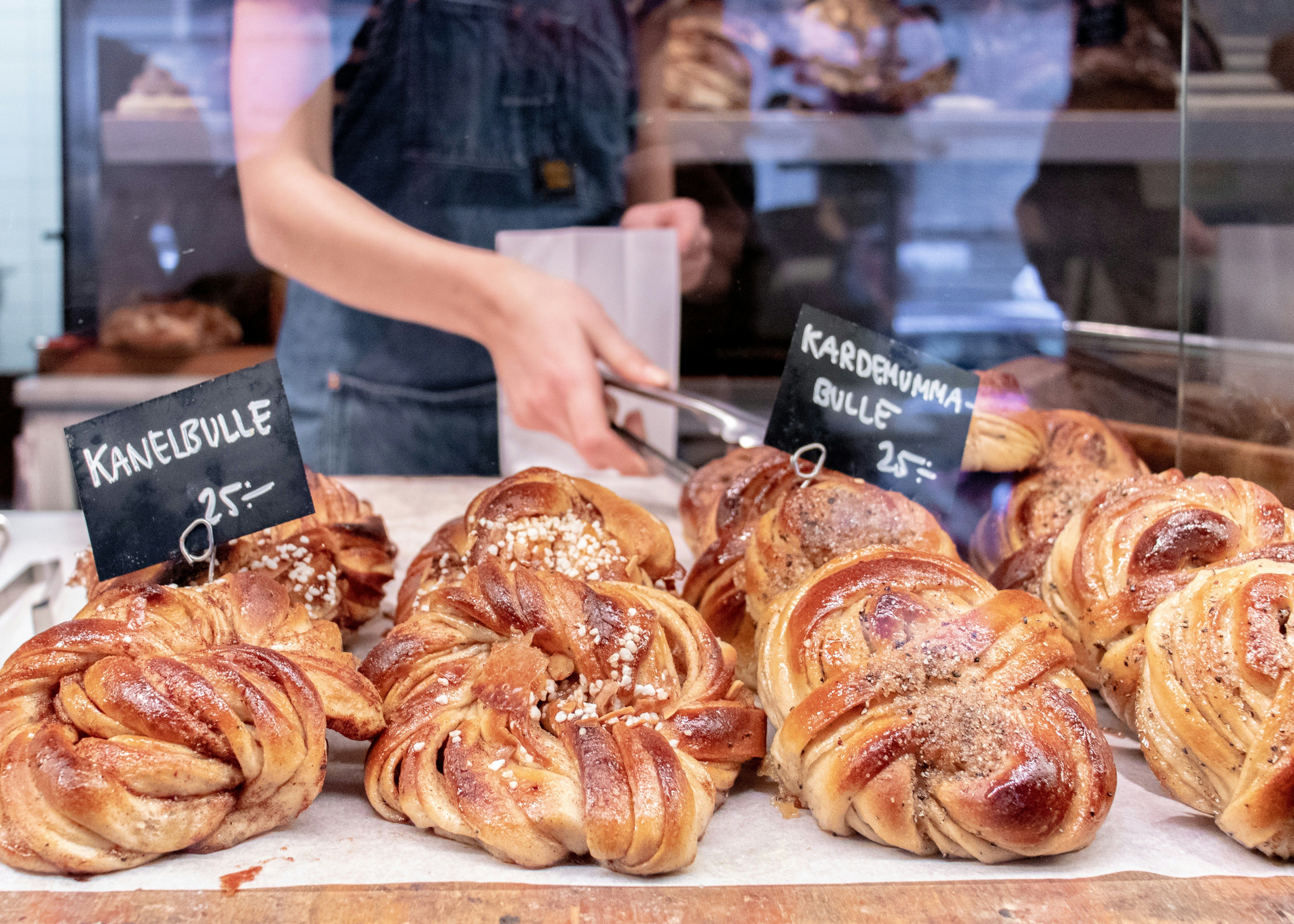
Although very similar to its cinnamon counterpart, the cardamom bun swaps the cinnamon for a whole lot more cardamom. Kardemummabullar is made using freshly ground green cardamom seeds in both its dough and buttery filling, giving the pastry a sweet aromatic flavour. Just like Kanelbulle, it's also sprinkled with pearl sugar.
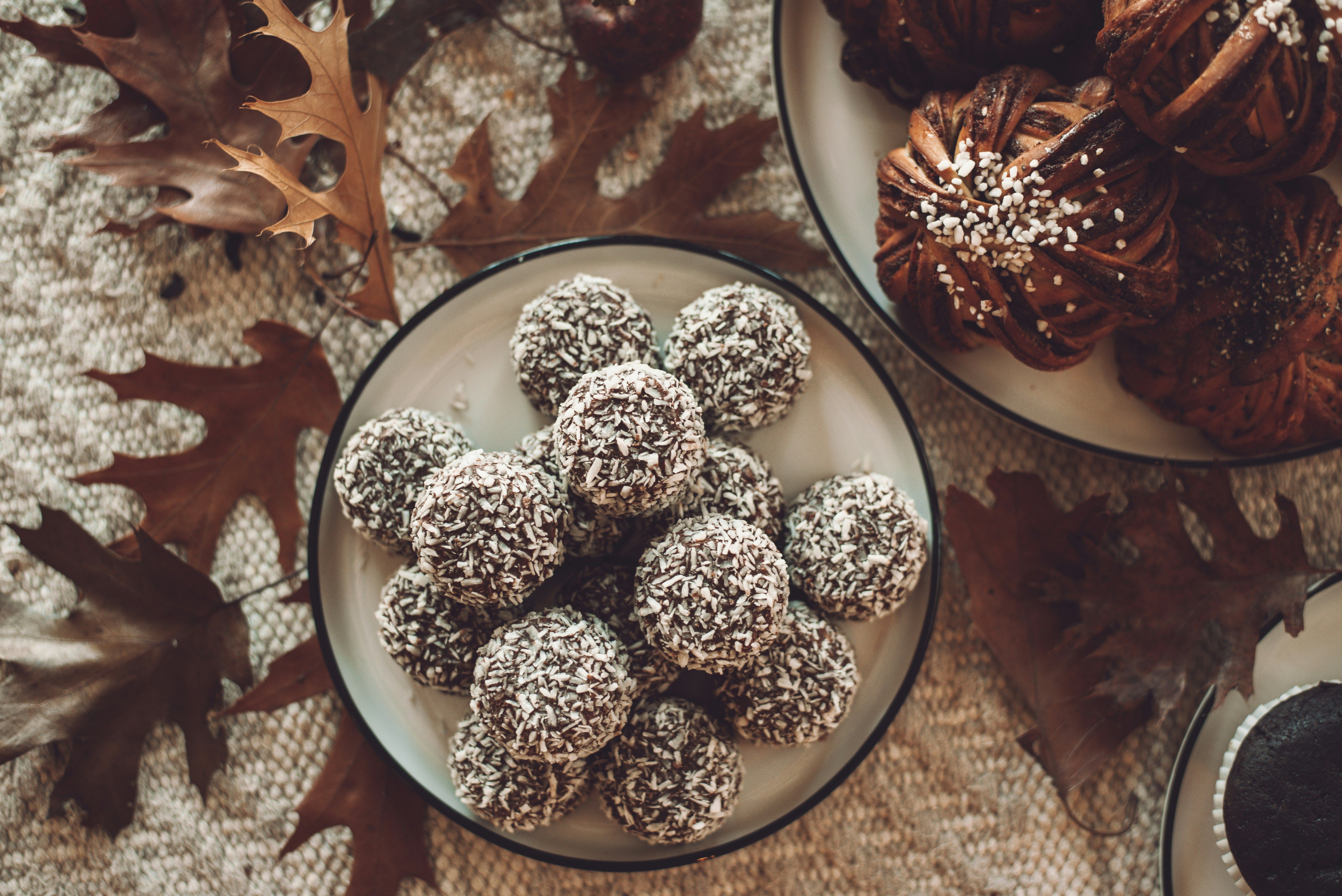
If you're hosting fika or don't want to turn up at your friends empty-handed, chokladboll is one of the easiest options. Made by mixing rolled oats, butter, sugar, cocoa powder and a splash of coffee before shaping the mixture into balls and rolling them in coconut flakes, this no-bake sweet treat is simple and delicious.
The perfect fika treat for chocoholics, kladdkaka is a sticky chocolate cake with a rich gooey centre and slightly crisp exterior, finished with a dusting of sugar. It's usually served warm with whipped cream, vanilla ice cream or fresh berries and makes the perfect indulgent treat.
Dating back to the early 20th century, this traditional Swedish cake tastes as good as it looks. The dome-shaped cake features multiple layers of light sponge, raspberry jam, vanilla pastry cream and whipped cream, all wrapped in smooth green marzipan. It's finished with a dusting of sugar and a pink marzipan rose, creating the most picture-perfect cake for fika.
Cookies also play a big part in the fika ritual. Sju sorters kakor, which means 'seven types of cookies', is a Swedish baking tradition in which a host serves seven different varieties of cookies which may include:
Seven was traditionally considered the perfect number of cookies to bake in terms of social etiquette – less than this was thought of as cheap or lazy, whilst more than seven was seen to be showy.
You don't have to fly to Sweden to enjoy fika. It's a tradition you can easily incorporate into your everyday life, allowing yourself moments for connection and relaxation. Whether you're at home, work or a coffee shop, here's how to make the most of fika:
Invite your friends or colleagues to join you: Fika is a social tradition so connection is a big part of it. It gives you the opportunity to catch up with friends or get to know someone a little better.
Take your time: This isn’t about downing a cup of coffee before your next meeting. It’s about switching off, slowing down and taking a break without worrying about where you need to be next.
Put your phone away: Phones can be the biggest distraction so try and leave it in another room or switch it off so you’re not checking your text messages and are staying present and enjoying the moment instead.
Share a sweet treat: Remember, fika is more than just a coffee break and is best experienced with a delicious treat. In fact, if you’re invited to someone else’s house for fika, it’s the norm to bring something to share with you.
Make it a thing: Fika isn’t just a one-off extended coffee break. It’s all about making it part of your routine and taking some time out of your day or week, to connect with others, pause and be present.
Want to know a bit more? Here's all your questions answered:
Yes, fika is actually an everyday ritual for many Swedes. It's become so ingrained in Swedish society that workplaces even add fika breaks into their working day. Many companies often have two fika breaks, one in the morning and one in the afternoon, giving employees the opportunity to take a break and recharge before heading back to their desk.
There isn't really a set time - fika can be as long or as short as you like. At work, it might just be a quick 15-minute break, whereas at home or in a cafe it can go on for much longer, it's completely up to you.
There's no fixed time for fika – you can enjoy it whenever you like. However, workplace fika often happens at set times, with the first break typically around 10am and the second around 3pm.
Fika is pronounced like 'fee-kah' with the emphasis on the first syllable with a long 'ee' sound and ending with an open 'ah' sound.
There's no set destination. Fika can take place wherever you like, whether that's at work, at home, in a café or bakery, or even outdoors in a garden or park.
Fika usually involves coffee and something sweet, such as kanelbullar (cinnamon buns), kardemummabullar (cardamom buns), chokladbollar (chocolate balls), kladdkaka (sticky chocolate cake) or prinsesstårta (princess cake). You can also enjoy savoury options, such as smörgås (an open sandwich).
Don't worry if you're not a coffee fan – you can still enjoy fika. Just swap the coffee for another drink, such as tea, hot chocolate or even fruit juice. At the end of the day, it's more about the ritual and connecting with others than what's in your cup.
The best cities to visit in Scandinavia
The best destinations in Europe
Ready to take a break? Fika can make your day more enjoyable. So, next time you fancy coffee and cake, turn it into something special – invite someone along, switch off your phone and just enjoy the moment.