The Best European Food Markets
Things to do
Things to do


One of the great joys of exploring a new destination is eating like a local. And some of the most memorable meals aren't served in a restaurant at all. They're found at the city market, where locals buy their seasonal produce and stallholders serve up freshly prepared specialties, often for less than you'd pay at a sit-down restaurant.
Whether you're chasing handmade pasta in Italy, warm stroopwafels in the Netherlands or a buzzing international food hall with something for every appetite, we've rounded up the best food markets in Europe for your next culinary getaway.
It might be crowded, but Mercat de la Boqueria remains one of the best food markets in Europe. It's among the top attractions in Barcelona, and for anyone who loves food, it's easy to see why.
The market sits just off La Rambla, the city's most famous boulevard, so you'll be sharing the aisles with plenty of other visitors. Our advice is to get there early. Just wandering through is an experience in itself, with fishmongers and butchers serving local shoppers, cured hams dangling overhead and stalls of fruit, vegetables and sweets arranged in bursts of colour.
La Boqueria isn't only for shopping, either. It's a fantastic place to eat, with tapas bars where you can pull up a stool and try the local dishes.
What to try: Jamón ibérico, croquettes, stuffed olives, fresh fruit juice, Catalan cheeses and fresh seafood.
Time Out Market is a long way from a traditional market. It's loud and lively, prices can be higher than at a typical market stall, and snagging a seat at the shared tables in the middle of the hall can take some patience. It's still absolutely worth a visit.
The idea came from the team at Time Out Portugal, who gathered chefs and restaurants from across Lisbon's food scene under one roof. Today it's home to 26 restaurants and 8 bars, plus a handful of shops, making it a great place to soak up the atmosphere and taste Portuguese dishes from some of the city's best-known eateries. Think of it as an international food hall in spirit, with a distinctly Portuguese flavour.
You'll find it inside Mercado da Ribeira, a historic market hall that first opened in 1882. Time Out Market launched in 2014 and takes up much of the building, but traditional market stalls still operate in the other section of the hall.
What to try: Pastéis de nata, grilled octopus, bacalhau (salted cod), croquettes and ginjinha, Lisbon's sweet cherry liqueur.
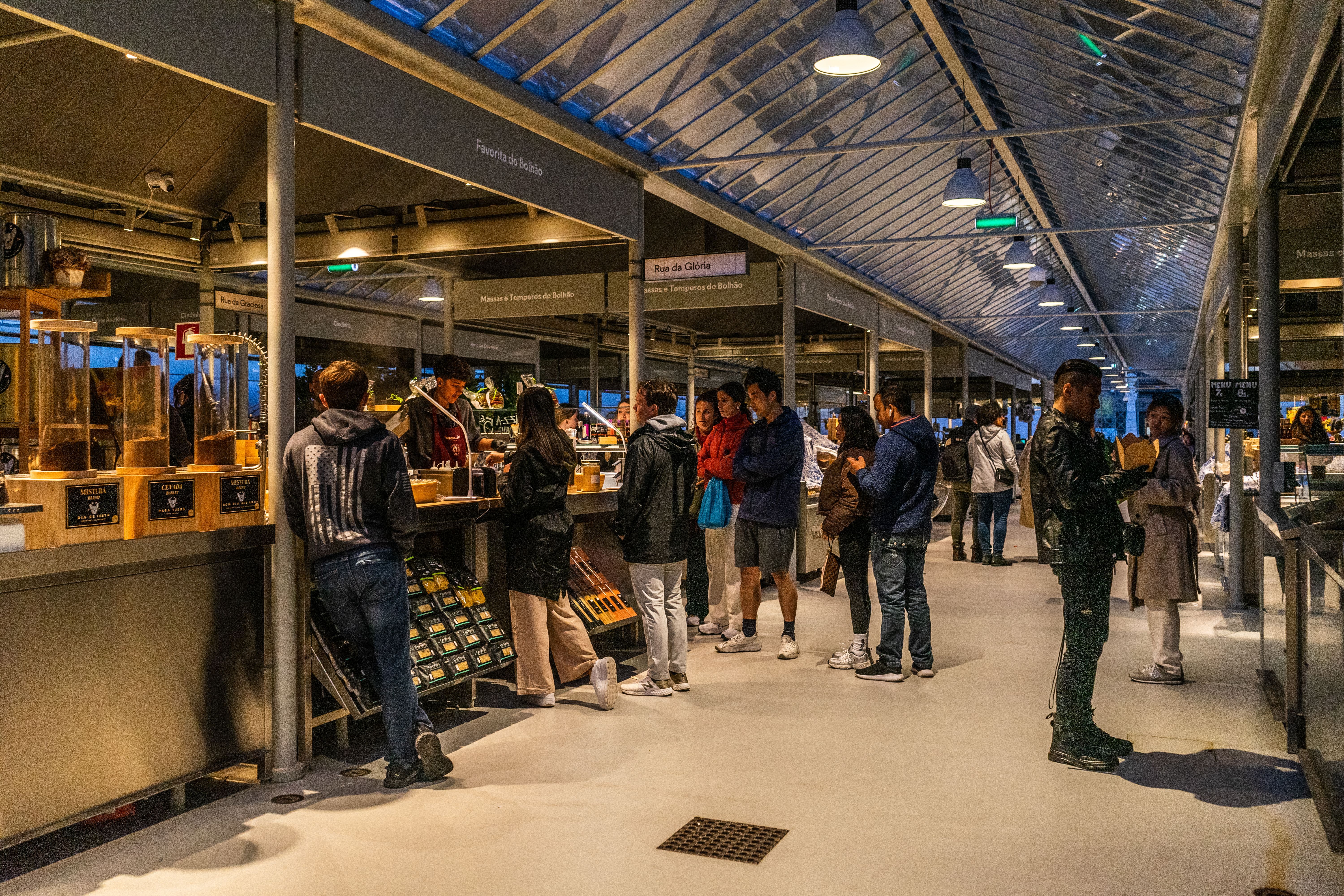
Italy and great food go hand in hand, and its local markets are one of the best places to experience it. Mercato di Testaccio sits in the Testaccio district of Rome, a neighbourhood with deep food traditions, and it's a firm favourite with locals. When it comes to authentic dishes, that's usually a very good sign.
Begin with a cappuccino at the coffee bar, soak up the chatter, then explore the covered aisles, where stalls overflow with fresh bread, cured meats, regional cheeses and vibrant produce. Come hungry, because it's also a terrific spot for lunch, and traditional dishes here are often cheaper than at restaurants in the busier parts of the city.
What to try: Pizza al taglio (pizza by the slice), supplì (deep-fried rice croquettes), fresh pasta, pecorino romano cheese, cured meats, fiori di zucca (fried zucchini flowers) and panino con l'allesso (a sandwich filled with tender boiled beef).
Ever since it opened in 2014, Markthal in Rotterdam has wowed visitors with its bold architecture. The enormous arched ceiling is covered in colourful artwork of fruit, vegetables, flowers and fish. But Markthal offers a lot more than a photogenic interior.
Inside the horseshoe-shaped building you'll find dozens of food stalls, shops, cafés and restaurants. It's a great spot for Dutch classics, but there's also food from around the globe, reflecting Rotterdam's multicultural character. From traditional treats to international street food, the variety makes it ideal for groups with different tastes.
What to try: Dutch cheeses, freshly made stroopwafels, herring, kibbeling (battered fried fish) and international street food.
After a scenic walk along the Danube, Budapest's Great Market Hall (Nagycsarnok) is the ideal place to stop and refuel. Spread over three levels, it's the city's largest indoor market and one of the best places to get a taste of Hungarian cuisine.
The lower levels are the most traditional. Fishmongers occupy the basement, while the ground floor is lined with classic market stalls piled high with colourful produce, local meats, fresh cheeses and fragrant spices. It's a European delicatessen on a grand scale.
When you've had a good look around, head upstairs to the food stalls serving hearty Hungarian favourites like goulash. Find a seat, chat with fellow travellers and enjoy the local flavours.
What to try: Goulash (Hungarian stew), lángos (deep-fried flatbread topped with sour cream and cheese), Hungarian salami, kolbász sausage, pickled vegetables, strudel and local cheeses.
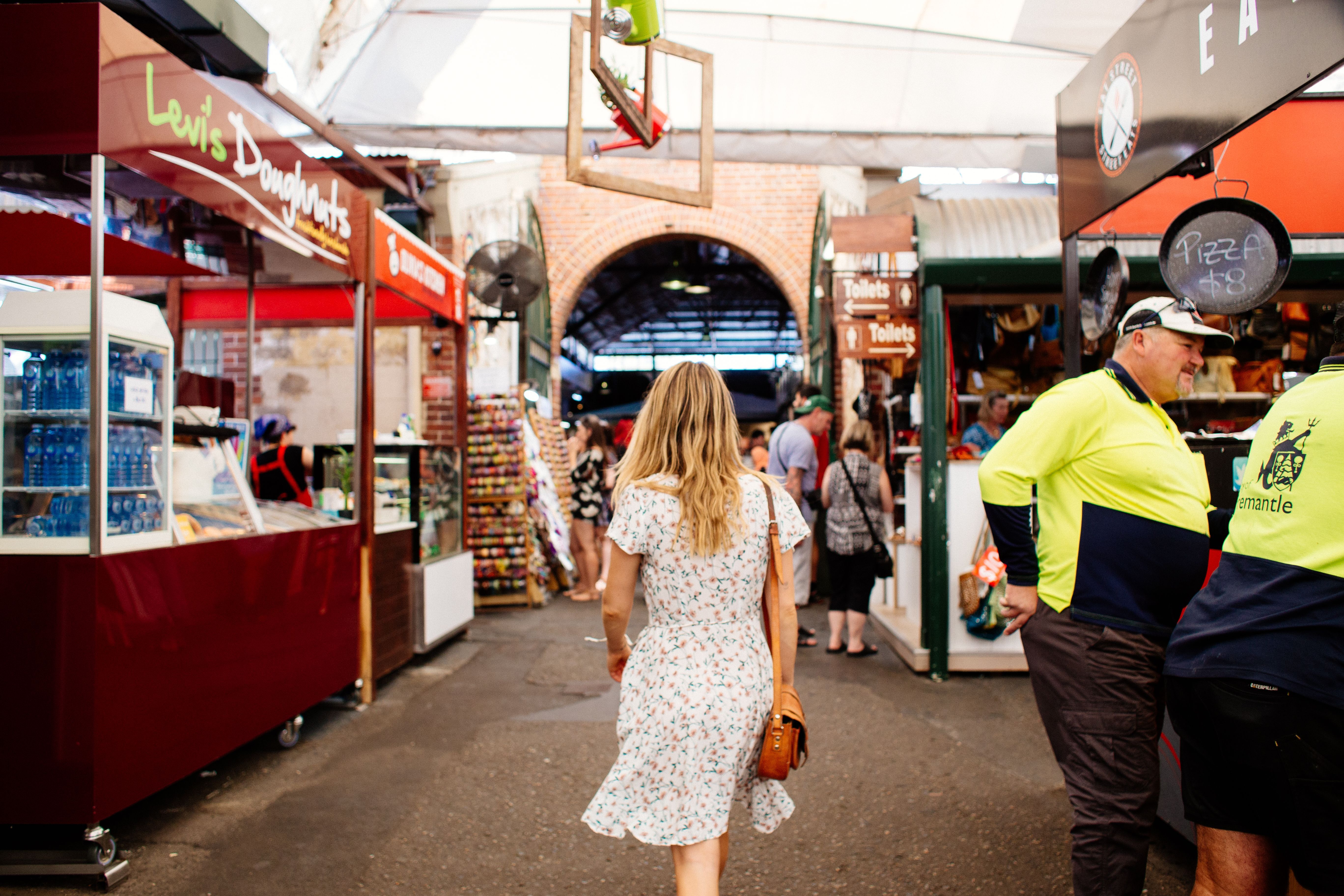
Riga Central Market may not be as well known, but it more than holds its own against Europe's bigger-name food markets. The setting alone is worth the visit: five huge pavilions, built in the 1920s and 1930s from the metal frames of former German military zeppelin hangars.
Across the pavilions and outdoor stalls you'll find everything from fresh fish and meat to dairy, vegetables and regional specialties. It's a wonderful place to try traditional Latvian food and watch locals do their weekly shop. Wander between the pavilions, take in the bustle, then head to the food court for some Latvian favourites. The market is enormous, so allow plenty of time.
What to try: Latvian dark rye bread, smoked fish such as eel, pickled cucumbers, local cheese, cured meats, Latvian honey and kvass (a traditional fermented drink).
Bilbao has a well-earned reputation for fantastic food, and Mercado de la Ribera is one of the best places to taste it. This Art Deco market hall dates back to 1929, stands on the banks of the Nervión River and is often described as one of Europe's largest covered markets. The stained-glass windows may catch your eye first, but it's the Basque dishes that will have you coming back.
Across three floors you'll find fishmongers, butchers, delicatessen counters and stalls heaving with fresh produce. The market's bars serve pintxos, so you can sample local specialties with a drink and a view of the river.
What to try: Pintxos (small Basque snacks), especially gildas (skewers of olives, anchovies and chilli peppers), bacalao (salt cod), Cantabrian anchovies, fresh seafood, Idiazabal cheese and txakoli wine.
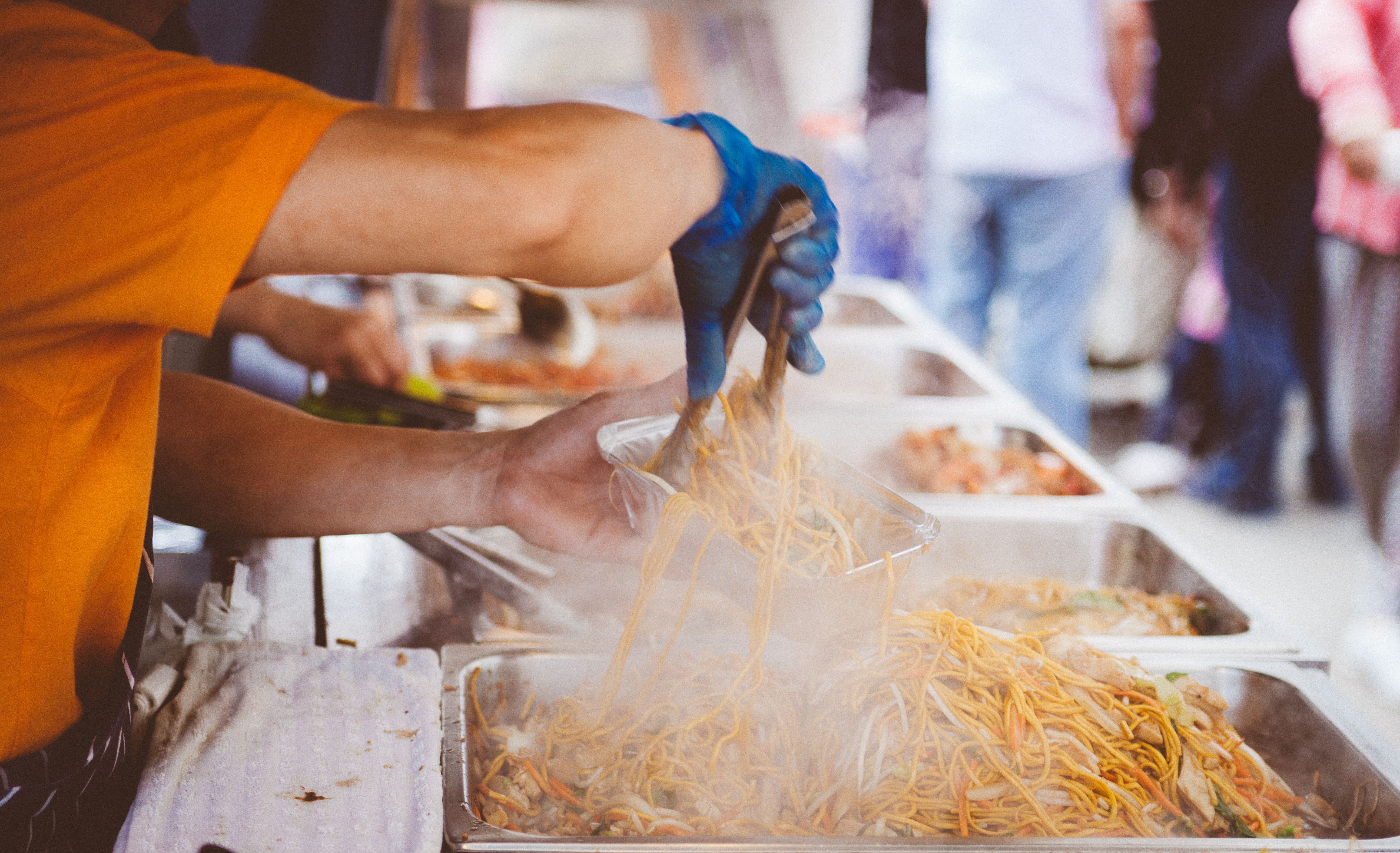
With more than 60 stalls, Torvehallerne attracts locals and visitors alike, and it's a great place for both Danish specialties and international food. Opened in 2011, it's no gritty old market hall. Its two glass-walled buildings feel modern, bright and a touch more upscale.
It isn't the cheapest place to eat, but then Copenhagen isn't a budget destination. Torvehallerne is where you go to indulge and try a little of everything in stylish surrounds. You'll be spoiled for choice, from bakery stands and cheese counters to wine merchants and specialty coffee bars, with even more stalls outside.
What to try: Smørrebrød (traditional Danish open-faced sandwiches), Danish cheese, fresh oysters, smoked fish, porridge, cardamom buns and specialty coffee.
Not ready to leave Australia just yet? Some of the country's best food markets are right on your doorstep, serving everything from just-shucked oysters to legendary doughnuts. Queen Victoria Market in Melbourne is a must for its sprawling deli hall, fresh produce stalls and famous hot jam doughnuts, while Adelaide Central Market is a bustling undercover market packed with cheesemongers, bakers, coffee roasters and multicultural eateries.
In Sydney, the Sydney Fish Market in Pyrmont is the place for fresh oysters, prawns and sashimi, and in Hobart, Salamanca Market fills the waterfront every Saturday with local produce, baked goods and handmade gifts.
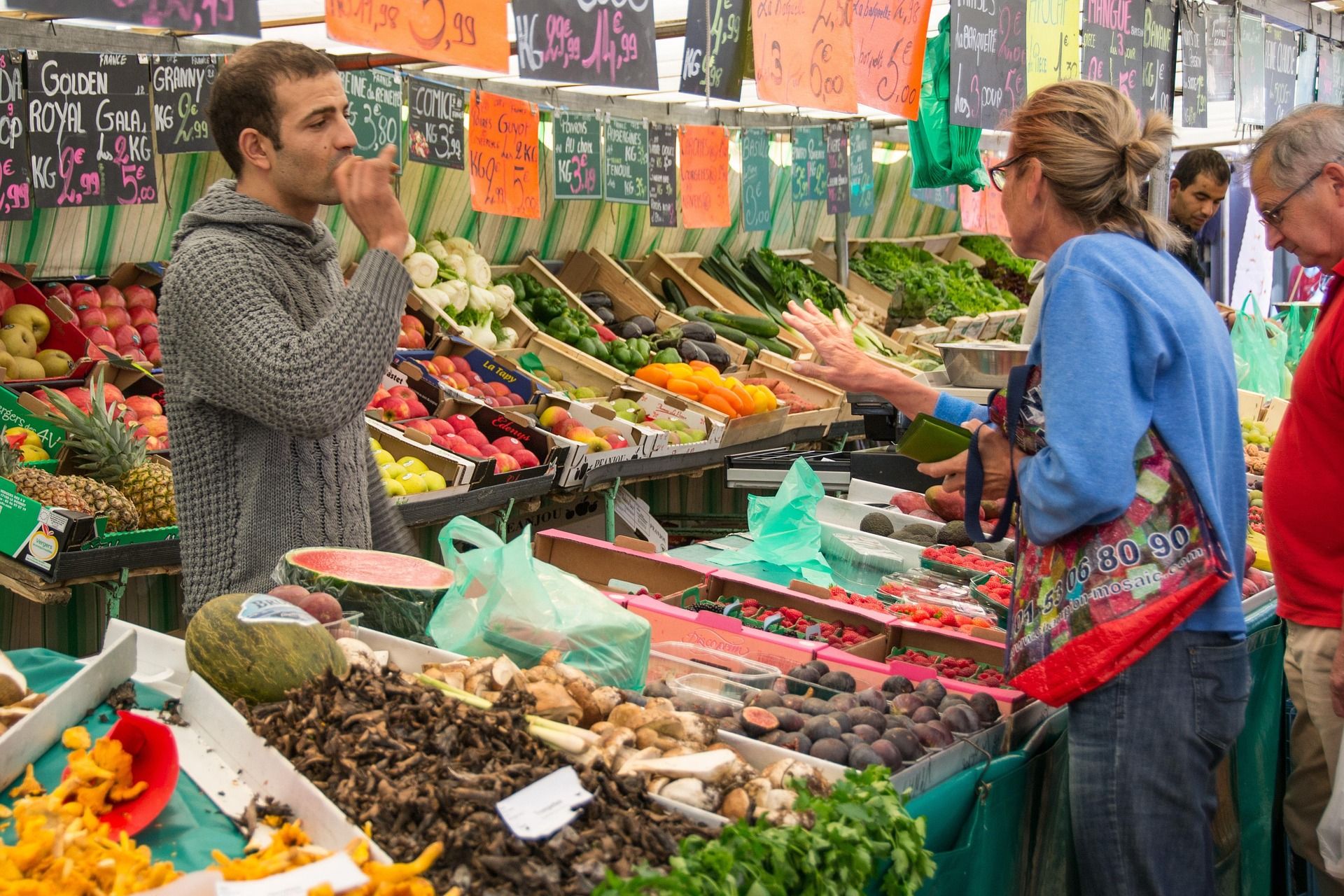
Markthal in Rotterdam is a great pick, blending Dutch classics with dishes from around the world. Its horseshoe-shaped hall is home to dozens of food stalls, shops, cafés and restaurants, which makes it ideal for groups with different tastes. Torvehallerne in Copenhagen is another good option, with more than 60 stalls serving Danish specialties alongside international food.
Yes. P&O Ferries sails overnight from Hull to Rotterdam Europoort, a crossing of around 11 hours and 45 minutes, and Brittany Ferries runs a ferry from Portsmouth to Bilbao that takes approximately 33 hours. Both ferries arrive at ports outside the city centres, so it's worth organising your onward transfer in advance.
Mornings are usually best, when stalls are fully stocked and the crowds are smaller. Some stalls close in the early afternoon, so go early if there's something specific you want to try. If you'd rather eat than shop, visiting between mealtimes can help you avoid the busiest periods, and it's always worth checking opening hours in advance, as they vary from market to market.
It varies. Many stalls take cards, but some are cash only or set a minimum spend for card payments. Carrying some small notes and coins is a good idea, particularly for smaller stalls and for sampling a bit of everything without overspending.
Australia's biosecurity rules are among the strictest in the world, and meat and dairy products, including cured meats and cheeses, are often the most restricted. Sealed, shelf-stable items are usually easier to travel with than fresh products, but restrictions can still apply. Always declare any food on your Incoming Passenger Card, check the Australian Government's current import guidance before you buy, and ask the stallholder how items should be packed for travel.
For more travel advice and inspiration, check out our Instagram page.