When is the best time to visit New Zealand: Month by Month Guide
Things to do
Things to do

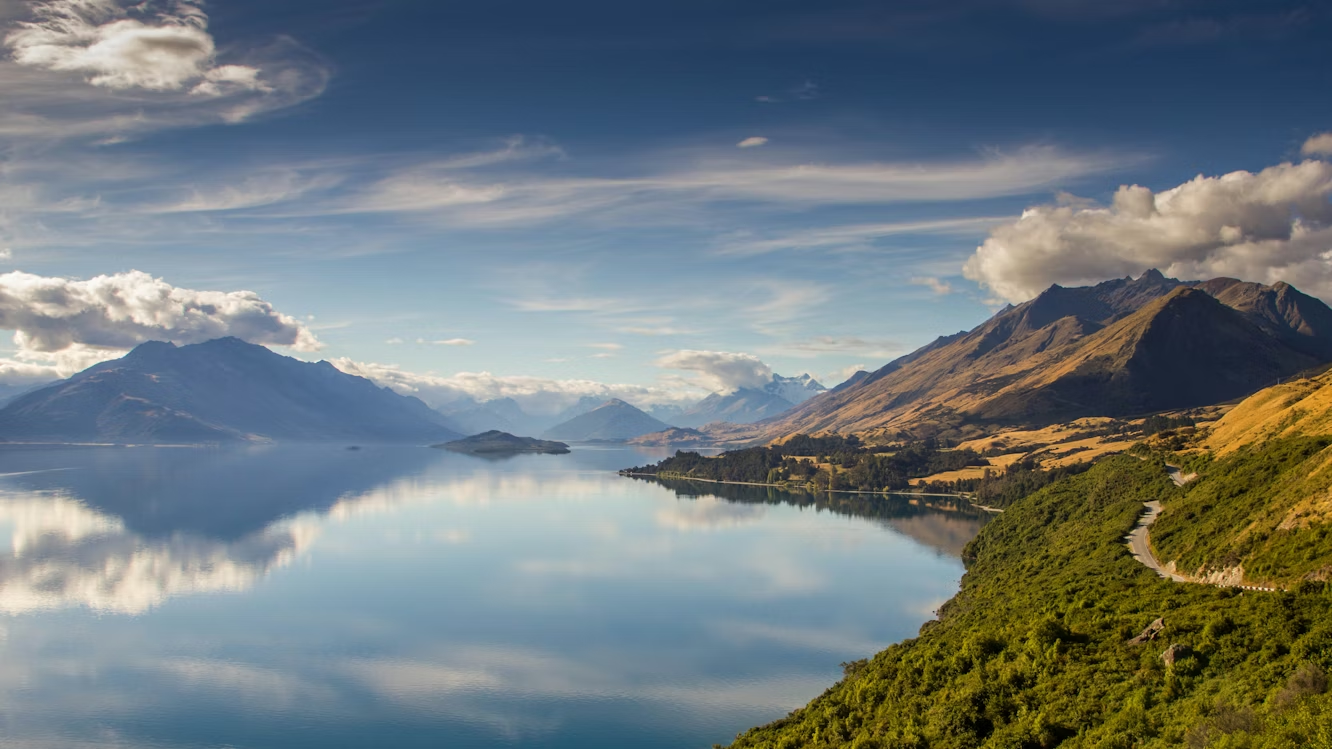
New Zealand — or Aotearoa, the Māori name meaning "Land of the Long White Cloud" — is one of those rare destinations that consistently surpasses expectations, regardless of when you choose to visit. But here's something most travellers don't mention: getting your timing right is genuinely the difference between a good trip and an unforgettable one.
Whether you're dreaming of tackling the Milford Track under long summer skies or sipping wine in Marlborough during harvest season, New Zealand rewards those who plan with care. This month-by-month guide covers everything you need to know — weather patterns, festivals, and the very best experiences each season has to offer.
December heralds the start of New Zealand's glorious summer, and the country buzzes with festive energy from the very first days of the month. School holidays draw Kiwi families to the coast, meaning popular spots like the Coromandel Peninsula, Abel Tasman National Park, and the Bay of Islands fill up quickly. At this time of year, it is essential to book accommodation well ahead of your arrival.
Temperatures across the North Island in December typically sit between 20 and 26°C — ideal conditions for exploring Auckland's volcanic cones, sailing on the Hauraki Gulf, or embarking on a road trip south to the geothermal landscapes of Rotorua.
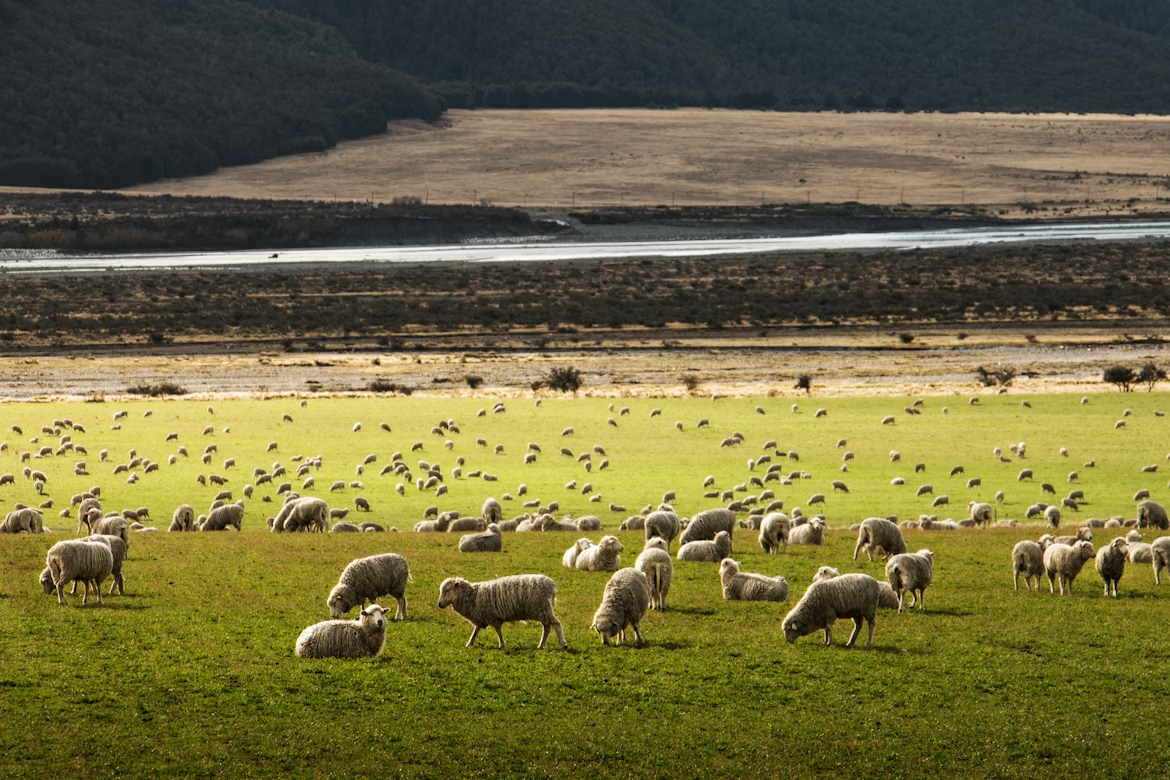
Pro Tip: December is a brilliant time to begin a driving tour of the country. Driving in New Zealand is one of travel's great pleasures — winding coastal highways, sheep-dotted hillsides, and almost no traffic congestion outside the main cities make for a wonderfully freeing experience.
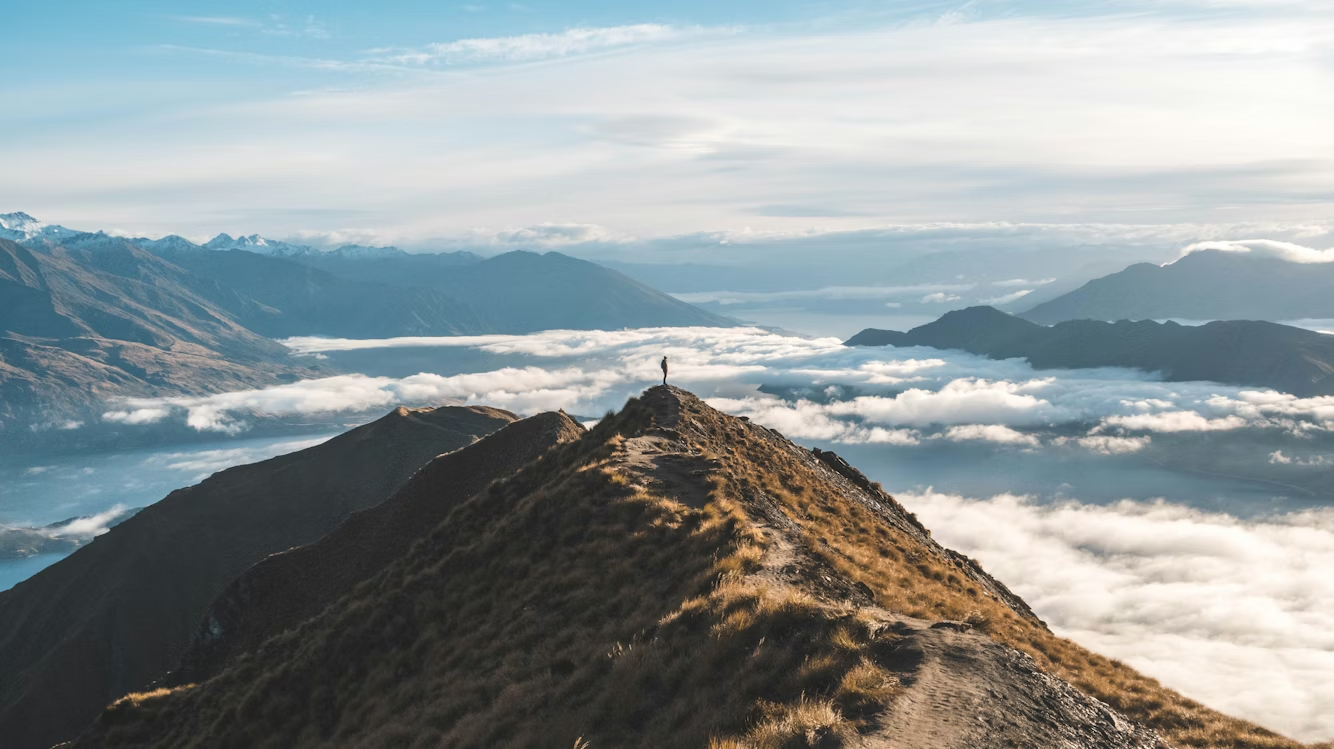
January is New Zealand's busiest and warmest month. Long daylight hours and inviting ocean temperatures make this the classic summer holiday period. It's also when the country's festival calendar comes alive, with music events, food and wine festivals, and outdoor cinema screenings taking place across both islands.
This is the prime month for taking on the Great Walks. The Tongariro Alpine Crossing is widely regarded as one of the world's finest single-day treks — an approximately seven to eight hour walk covering 20km, beginning at Mangatepopo Valley and finishing at Ketetahi Road End on the other side of the mountain. The route passes active volcanic craters, sweeping alpine views, and the mesmerising electric-blue Emerald Lakes.
All visitors planning to walk the Tongariro Alpine Crossing are strongly advised to book in advance, as over a thousand people can be on the track simultaneously on peak days. Private vehicles are not permitted at the Mangatepopo car park during summer, so the most practical option is the shuttle bus, bookable through local visitor centres in Tūrangi, Ohakune, or Taupō.
February is widely considered the most beautiful month in New Zealand. The intensity of the summer heat eases slightly, the school holiday rush begins to subside, and the very first hints of autumn start to touch the landscape with gold.
In wine-growing regions like Marlborough and Hawke's Bay, February marks the early stages of the grape harvest — a period that transforms the vineyards into fragrant, fruit-heavy landscapes as the entire wine industry moves into its most energetic season.
It's also a wonderful month to experience one of New Zealand's most iconic journeys: the Wellington to Picton ferry across Cook Strait. On a clear February day the crossing is genuinely breathtaking, gliding past the forested channels of the Marlborough Sounds as the ferry winds its way toward the South Island. It remains the most scenic and atmospheric way to travel between the North and South Islands.
March is one of New Zealand's most underrated months for travel. As the peak summer period winds down, popular beaches and national parks grow noticeably quieter and accommodation prices begin to ease. The weather, however, remains beautifully warm and settled, with long daylight hours and clear skies that make exploring a genuine delight.
March is also an ideal month for a New Zealand road trip. Stable weather and quieter roads make long scenic drives particularly enjoyable, giving travellers the freedom to stop often at viewpoints, beaches, and small towns without any of the peak-season pressure. One of the most spectacular options is State Highway 6 along the South Island's rugged West Coast — a route that winds through dense rainforest, past glacial rivers and beneath towering mountain ranges rising sharply from the coastal plain.
Pro Tip: Hire a campervan in March and follow the coast. Campgrounds are quieter, evenings are still warm enough to enjoy outside, and you'll often find waterfalls and viewpoints almost entirely to yourself.
April is Fiordland's finest month. The waterfalls cascading through Milford Sound and Doubtful Sound are at their most dramatic after the first autumn rains, and the surrounding bush ignites with reds, golds, and yellows.
April frequently coincides with the Easter long weekend, one of the most popular short break periods for New Zealanders. Cities empty out as domestic travellers head for the coast and national parks, creating a brief but lively surge in activity. Once Easter passes, the country settles back into a peaceful rhythm and many destinations become wonderfully calm for the remainder of the month.
On 25th April, New Zealand observes ANZAC Day — one of the most significant and solemn occasions in the national calendar. The day honours the service and sacrifice of Australian and New Zealand Army Corps soldiers, with particular remembrance for those who fought at Gallipoli during the First World War. Communities across the country gather before sunrise for traditional dawn services at local war memorials.
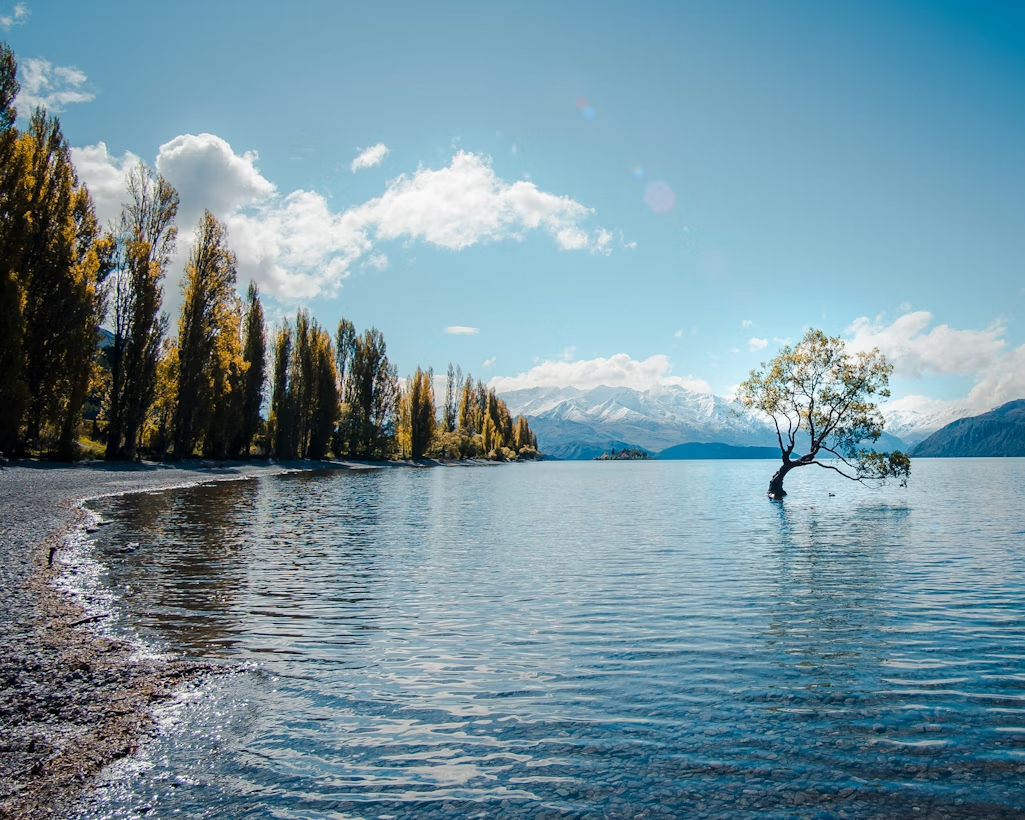
May is one of the quietest and most peaceful times of year to visit New Zealand. The summer crowds have long since departed, international visitor numbers drop noticeably, and many of the country's most iconic landmarks become wonderfully uncrowded. Accommodation prices often fall during this shoulder season, making it a particularly attractive time for budget-conscious travellers. National park tracks, scenic lookouts, and small coastal towns return to a gentle, unhurried pace that invites slow exploration.
Along the east coast of the South Island, May is the standout month for whale watching — especially at Kaikōura, where a deep offshore canyon draws sperm whales, dusky dolphins, and other marine life to the surface throughout the year.
New Zealand's winter is considerably milder than many visitors expect, particularly on the North Island where temperatures in most regions rarely dip below 10°C.
It's the South Island where winter truly comes into its own. Heavy snowfall blankets the Southern Alps and the country's ski resorts spring to life. Queenstown's Remarkables and Coronet Peak, Wanaka's Cardrona, and Mt Hutt near Methven attract skiers and snowboarders from across the Southern Hemisphere throughout the season.
Winter is also New Zealand's finest season for stargazing. The Mackenzie Basin, home to Aotearoa's International Dark Sky Reserve, offers some of the clearest and darkest night skies on the planet between June and August. Wrap up warmly, step outside, and look up — it's the kind of experience that stays with you long after you've returned home.
Pro Tip: Winter in Rotorua means soaking in geothermal hot pools beneath cool, steam-filled skies. Book an evening session at Wai-O-Tapu or the Polynesian Spa for a memorably atmospheric experience.
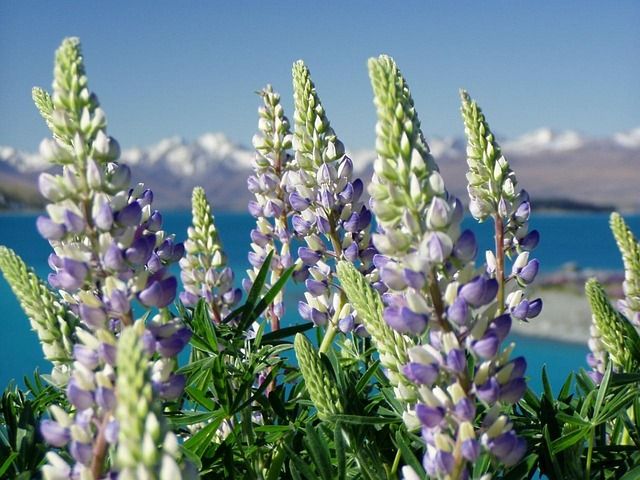
Spring arrives in New Zealand with a genuine sense of renewal. After the stillness of winter, the landscape begins to reawaken across both islands. Throughout the South Island, fields of violet wildflowers burst into bloom around Lake Tekapo and across the Mackenzie Country, their vivid colour contrasting beautifully against the region's turquoise glacial lakes and snow-dusted peaks.
The question of whether to explore the North Island or South Island takes on an interesting dimension in spring. The North Island warms quickly after winter, meaning beaches, coastal walks, and rainforest trails become inviting from September onwards. The South Island, meanwhile, still holds onto the last remnants of winter in its higher alpine regions, where snow lingers on the peaks and mountain passes. For travellers willing to embrace the cooler conditions, the reward is stunning scenery and far fewer visitors than in the busy summer months ahead.
November may well be the most underrated month of all to visit New Zealand. You get the warmth and sense of anticipation that comes with approaching summer, without the crowds or elevated prices that arrive with December.
The country's very best experiences become wonderfully accessible: the Tongariro Crossing, Milford Sound boat tours, dolphin swimming in the Bay of Islands, and cycling the Otago Central Rail Trail — all without the queues or peak-season rates that can take the shine off the summer months.
The best month depends on what kind of experience you're after, though many travellers point to February, March, and November as the sweet spots of the New Zealand calendar. February offers warm summer weather, long daylight hours, and ideal conditions for beach days and outdoor adventures. March brings slightly cooler temperatures, thinner crowds, and a beautiful golden quality to the light across the landscape. November is a perennial favourite for those who want spring warmth and blooming scenery without the peak-season frenzy that builds through December and January.
Most travellers find that at least 10 to 14 days is the minimum needed to explore the highlights of a single island without feeling rushed. If you want to experience both the North Island and the South Island, three weeks or more is the ideal. New Zealand may look compact on a map, but its winding scenic roads and the sheer number of places worth stopping at mean that distances take longer to cover than you might expect.
For more inspiration, take a look at our guide to the best places to visit in New Zealand and start building your itinerary.
Both islands offer wonderfully distinct experiences. The North Island is celebrated for its vibrant cities, extraordinary geothermal landscapes, and warm beaches. Destinations like Auckland, Rotorua, and the Bay of Islands showcase this side of the country at its most dynamic.
The South Island, by contrast, is defined by breathtaking natural scenery — the Southern Alps, ancient glaciers, world-famous fjords, and brilliantly coloured alpine lakes. If time allows, travelling between the two islands on the ferry from Wellington to Picton with Interislander or Bluebridge gives you the most complete and memorable experience New Zealand has to offer.
The most affordable windows are typically the shoulder seasons, with May and September standing out as the best value months. International visitor numbers are lower, and accommodation prices frequently drop during this period. Ferry crossings can also be significantly cheaper compared to the busy summer season between December and February. Travelling in the shoulder season still allows you to enjoy beautiful scenery and excellent conditions — just with fewer people around and more room in your budget.
Without question, New Zealand is one of the finest road trip destinations in the world. Its manageable size, well-maintained roads, and endlessly varied scenery create a driving experience unlike almost anywhere else. Within a single day you might pass through coastal cliffs, alpine meadows, ancient rainforest, and quiet rural towns — each one worth slowing down for. Many travellers choose to rent a car or campervan so they can set their own pace, pulling over at viewpoints, beaches, and trailheads whenever the mood takes them.
Whatever time of year you choose to visit New Zealand, you are in for something special. If a ferry crossing is on your itinerary, book your ferry tickets today with Direct Ferries and secure your spot on one of the most scenic sea crossings in the world.