How to Plan a Holiday to Greece from Australia: A Complete Guide
Ferry travel tips
Ferry travel tips

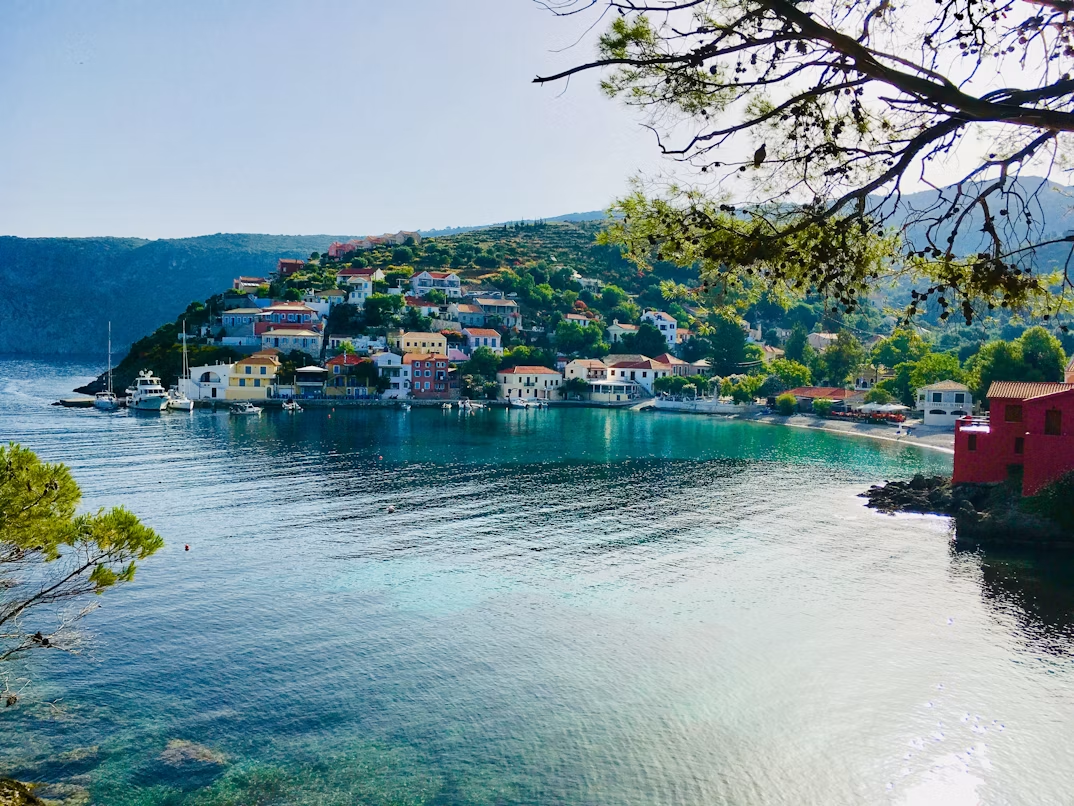
Greece is one of the most rewarding destinations for Australian travellers, blending ancient history, whitewashed island villages and some of the best beaches in Greece with an easy Mediterranean pace of life. If you've never sat down to plan a trip here, the logistics can seem daunting at first: where is Greece exactly, how do flights to Greece from Australia work, and how do you get from an airport to islands like Santorini or Crete?
The good news is that once you understand the basic route (fly into a major international airport in Europe, then continue by ferry from a port like Piraeus), the rest of the trip falls neatly into place. This guide walks through every step, from booking flights to Athens, Greece from Australia to choosing between all-inclusive resorts and island-hopping holiday packages.
Greece, known internationally by names such as Griekenland in Dutch or Grecia in Spanish and Italian, sits in southeastern Europe on the Balkan Peninsula, bordered by Albania, North Macedonia, Bulgaria and Turkey. It's surrounded by the Aegean Sea to the east, the Ionian Sea to the west and the Mediterranean Sea to the south. Along with its mainland, Greece includes more than 6,000 islands and islets, of which approximately 227 are inhabited, which is exactly why ferries play such a central role in getting around once you arrive.
From Australia, Greece is about as far away as you can get on a single trip: it's roughly 7 to 9 hours behind Sydney and Melbourne, depending on daylight saving, and about 5 to 6 hours behind Perth. That's worth keeping in mind when you plan your arrival and your first few days.
Most journeys to Greece start with a flight into Athens, the country's capital and main international gateway. There are no nonstop flights from Australia, so you'll connect through a major hub. The most common routes are with Middle Eastern carriers via Doha, Dubai or Abu Dhabi, with Asian carriers via Singapore, or with European and Turkish airlines via cities such as Istanbul, London or Frankfurt. Flying out of Sydney, Melbourne, Brisbane or Perth, you can generally expect to find flights to Athens, Greece with one stopover.
Total travel time is typically somewhere between 22 and 30 hours, depending on your departure city and how long your layover is. A stopover of a night or two at your connecting hub can break up the journey nicely and ease jet lag. We recommend booking your tickets at least four to six months in advance for travel in the Greek summer, which coincides with the Australian winter school holidays and is the peak season for tourism in Greece.
This is the part of the trip that trips up a lot of first-time visitors, so it's worth spelling out clearly: you don't need a direct flight to your island of choice. Instead, the standard route is:
If you'd rather save time after such a long journey, Athens also has short domestic flights to most major islands (around 40–55 minutes), which can be worth the extra cost if your trip is short, if you're tired after the long-haul flight, or if you're travelling with young children.
If you're unsure when to set off on your holiday to Greece, don't panic. We've got you covered. Check out the table below for everything you need to know about Greece's weather by season, as well as crowds:
| Month | Avg Temp (°C) | Rainfall (mm) | Crowds | Sea Conditions | Best For |
|---|---|---|---|---|---|
| January | 9–13°C | 55–70 mm | Low | Cold | Sightseeing, city breaks |
| February | 10–14°C | 45–60 mm | Low | Cold | Cultural trips, museums |
| March | 12–16°C | 40–50 mm | Low–Moderate | Cold | Spring sightseeing, hiking |
| April | 16–20°C | 30–40 mm | Moderate | Cool | Island hopping, Easter travel |
| May | 20–26°C | 20–30 mm | Moderate | Warming | Beaches, hiking, ferries |
| June | 25–31°C | 10–15 mm | High | Warm | Beach holidays, sailing |
| July | 30–34°C | 5–10 mm | Peak | Warm | Nightlife, islands, festivals |
| August | 30–33°C | 5–10 mm | Peak | Warm | Beach holidays, island hopping |
| September | 25–29°C | 10–20 mm | High | Warm | Best overall balance, ferries |
| October | 20–24°C | 50–60 mm | Moderate | Still warm | Sightseeing, quieter islands |
| November | 15–19°C | 55–70 mm | Low | Cooling | Cultural travel, food trips |
| December | 10–14°C | 65–80 mm | Low | Cold | City breaks, festive travel |
Remember that Greece's seasons are the reverse of ours. The Greek summer lines up with the Australian winter school holidays, when crowds, prices and temperatures peak, so many Australians find that late May to June, or September to early October, is the sweet spot. The September–October window also fits neatly with Australian spring school holidays. Travelling in the Australian summer holidays means a quiet, cool Greece, which suits city breaks and sightseeing but not swimming, and many island ferry services and businesses run reduced schedules or close for the winter.
If planning flights, ferries and hotels individually feels like a lot of stress, bundled holiday packages that combine airfare, transfers and accommodation are widely available from Australian travel agents and can simplify a first trip considerably.
Greece also has a growing number of all-inclusive resorts, particularly in Crete, Rhodes and Kos, which suit travellers who want a more relaxed, single-base holiday rather than island-hopping. For a trip that mixes both styles, many travellers book a package for the resort portion and arrange ferries independently for any island-hopping days.
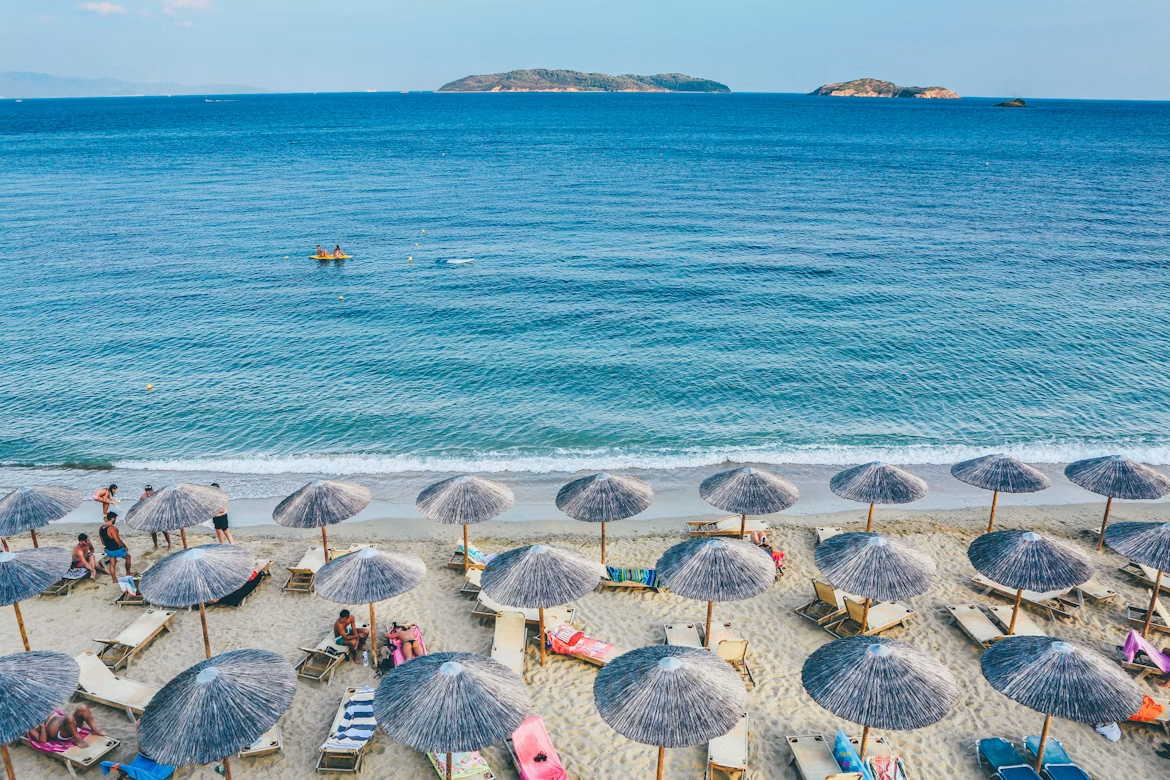
With thousands of islands to choose from, narrowing the list comes down to what sort of holiday you're after. Here are some of the best islands to visit in Greece for both first-time and repeat visitors:
| Island | Known For |
|---|---|
| Santorini | Caldera views, sunsets, volcanic beaches |
| Crete | Size, history, mountains, and beach variety |
| Mykonos | Nightlife, boutique shopping, windmills |
| Naxos | Quieter beaches, authentic villages |
| Rhodes | Medieval old town, resort infrastructure |
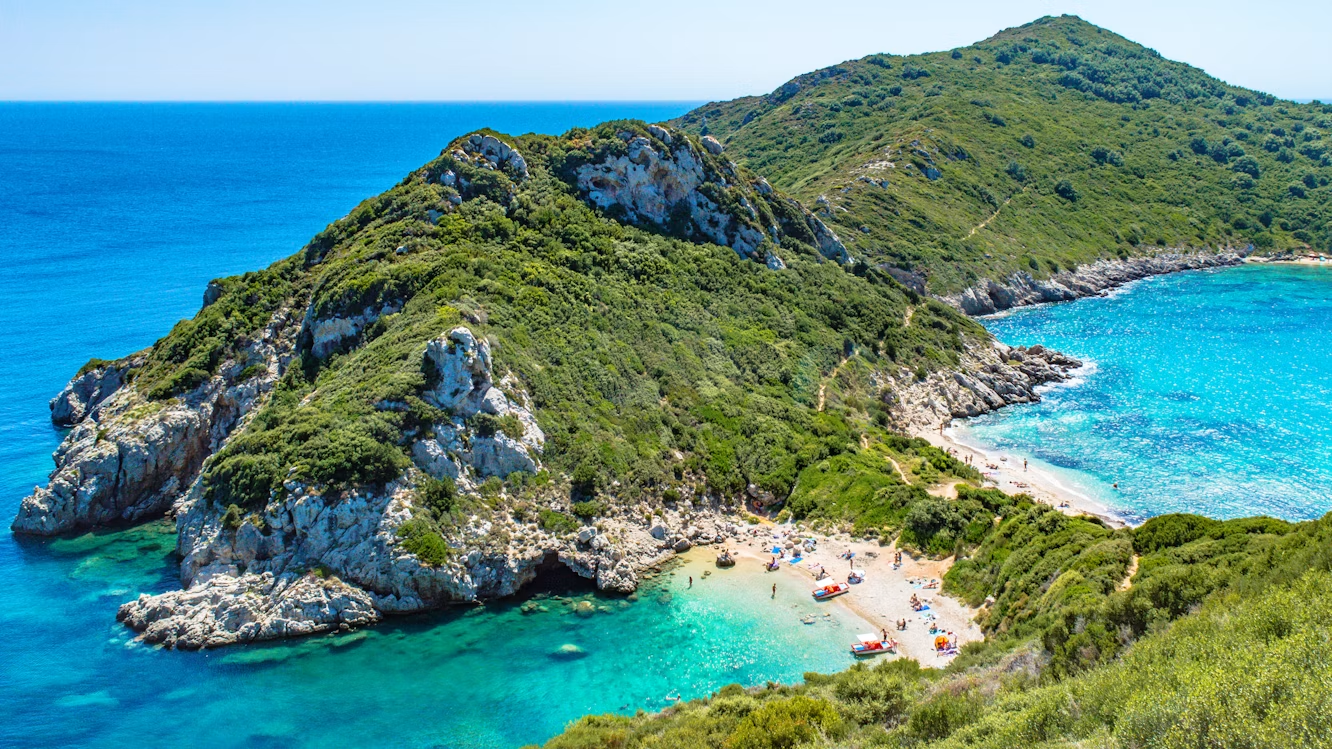
| Corfu | Green landscapes, Venetian architecture |
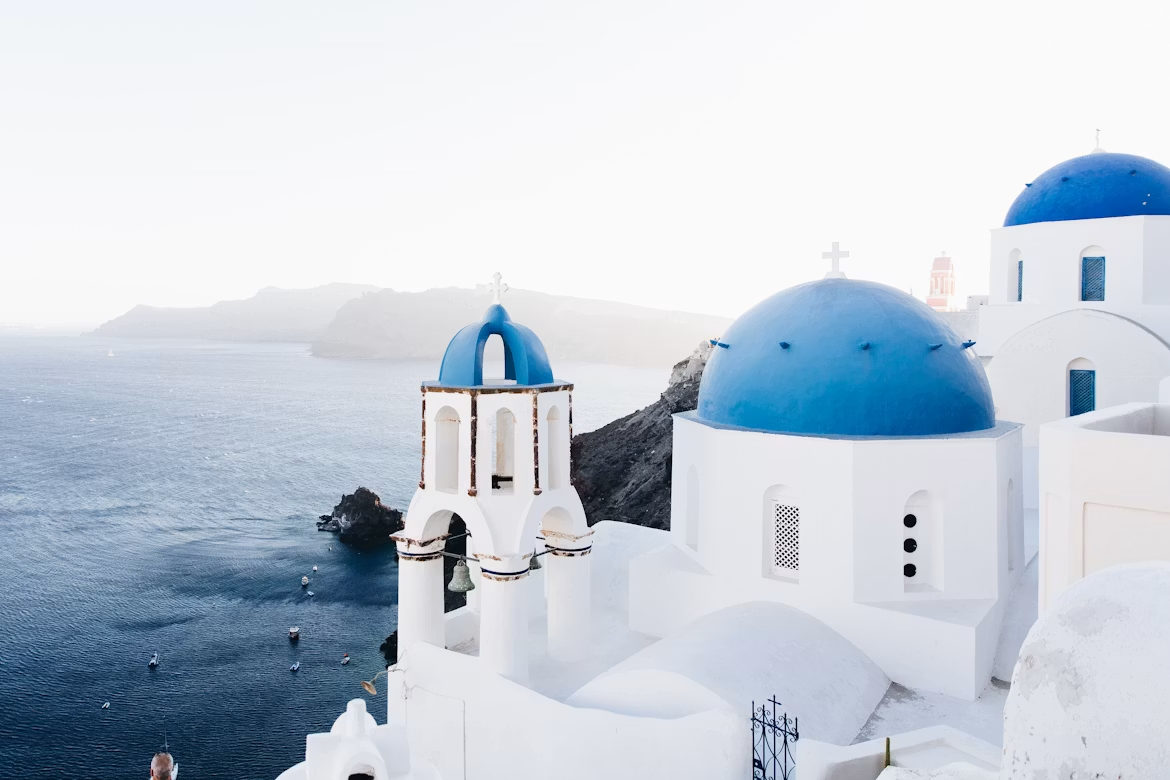
Santorini, Greece is instantly recognisable for its whitewashed cave houses and blue-domed churches perched above a dramatic volcanic caldera. Formed by one of the largest eruptions in recorded history, the island offers some of the most striking sea views in Europe, especially from cliffside towns like Oia, Fira and Imerovigli.
Days here are spent wandering narrow lanes, visiting unique volcanic beaches such as Red Beach and Kamari, or taking a boat trip to the still-active Nea Kameni volcano and nearby hot springs. Evenings are just as memorable, with sunset views from Oia drawing visitors from around the world.
Thanks to its compact size and robust infrastructure, Santorini works perfectly as a 2–3-day stop on an island-hopping itinerary or as a standalone luxury escape. Given the high demand, booking caldera-view accommodation well in advance is essential during the peak summer months, which is exactly when many Australians are travelling.
Crete is Greece's largest and most diverse island, offering a mix of history, landscapes and local culture that feels more like a small country than a single destination. Visitors can explore the ancient Palace of Knossos near Heraklion, hike the spectacular 16 km-long Samaria Gorge in the White Mountains, or relax on fabulous beaches like Balos Lagoon and Elafonissi, known for its pink-tinged sand.
The island's food scene is equally impressive, with traditional tavernas serving fresh seafood, local cheeses and Cretan wine. Crete's size means you can combine lively cities such as Chania and Heraklion with quieter mountain villages and remote coastal spots. With international airports in both Heraklion and Chania, it's also one of the easiest Greek islands to reach without transiting via Athens, which is handy if you're connecting from another European city.
Mykonos is best known among travellers for its vibrant nightlife, stylish beach clubs and cosmopolitan atmosphere, making it one of the most exciting islands in Greece. By day, visitors can unwind on sandy beaches like Psarou, Paradise and Elia, many of which feature upscale beach bars and crystal-clear waters.
Mykonos Town (Chora) is a highlight in its own right, with its maze of whitewashed streets, boutique shops and iconic windmills overlooking Little Venice. Beyond the party scene, the island also offers cultural experiences such as a short boat trip to the ancient ruins of Delos, one of Greece's most important archaeological sites. Mykonos is ideal for travellers looking for a lively, high-energy destination with luxury accommodation, fine dining and unforgettable sunset cocktails.
Naxos offers a more relaxed Greek island experience, combining beautiful beaches with rich history and traditional village life. The island is best known for its long, sandy coastline, particularly Agios Prokopios and Plaka Beach, which are among the best in the Cyclades but far less crowded than neighbouring hotspots.
Naxos Town is dominated by the iconic Portara, a massive marble gateway overlooking the sea, especially impressive at sunset. Inland, you'll find fertile valleys, mountain villages like Apeiranthos and ancient sites including the Temple of Demeter.
Naxos is also renowned for its local produce, from cheeses and potatoes to fresh seafood served in family-run tavernas. It's an excellent choice for travellers looking for a balance of beaches, culture and a more laid-back pace, while still being well connected for island hopping.
With a flight of more than 20 hours each way, we'd suggest allowing at least two weeks if you can, or tacking an extra few days onto the ends of these itineraries to recover from jet lag. If you only have 10 days away from home, treat the first day or two in Athens as a gentle landing rather than a packed sightseeing schedule.
Perfect for history lovers and beach seekers in the Dodecanese islands:
A scenic Ionian itinerary with lush landscapes and turquoise waters:
Greece is in southeastern Europe on the Balkan Peninsula, surrounded by the Aegean, Ionian and Mediterranean Seas, with Turkey to the east and Albania, North Macedonia and Bulgaria along its northern borders. The country also includes more than 6,000 islands and islets, over 200 of which are inhabited, spread across these seas. Its location makes it a natural gateway between Europe, Asia and Africa, influencing its culture, cuisine and history.
There are no nonstop flights from Australia to Greece, so you'll need at least one connection. Total travel time from the east coast is typically between 22 and 30 hours, depending on your route and layover, and flights from Perth are often a little quicker.
Common connections are through Middle Eastern hubs such as Doha, Dubai and Abu Dhabi, Asian hubs like Singapore, or European and Turkish hubs such as Istanbul, London or Frankfurt. Many itineraries arrive in Athens a day after you depart, so allow a day or two to settle in and shake off the jet lag.
You don't need a direct flight to an island. The most common route is flying into a major airport, whether it's Athens, Rhodes or Corfu, then taking a ferry or short domestic flight onward to islands like Santorini or Crete. Many travellers prefer this approach because it offers more flight options, often at lower prices, while also giving them the flexibility to combine multiple islands in one trip.
The port of Piraeus is about 40–60 minutes from Athens International Airport by metro, bus or taxi. Ferries to most islands depart from Piraeus. Metro Line 3 provides a direct and reliable connection, while express buses run 24/7 and are a budget-friendly option. Taxis and private transfers are the quickest choice, especially if you have luggage or a tight ferry connection after your long-haul flight.
Santorini and Crete are the most popular starting points: Santorini for iconic views and a compact layout, Crete for its size, history and vast choice of beaches. Many first-time visitors combine both.
Santorini is a perfect destination for shorter stays with dramatic scenery and luxury accommodation, whereas Crete offers more space to explore, including ancient ruins, diverse landscapes and local culture. Choosing between them often depends on whether you prefer a relaxed sightseeing trip or a more varied, activity-based holiday.
Yes. All-inclusive resorts are concentrated in Crete, Rhodes and Kos, and many operators offer holiday packages bundling flights, transfers and hotels, which can simplify booking for a first trip.
These packages can provide good value, particularly for families or travellers looking for a hassle-free experience with meals and activities included. However, independent travel remains popular in Greece, especially for island hopping and exploring smaller, less commercial destinations.
Greece is part of the Schengen Area, and Australian passport holders can currently visit visa-free for short tourist stays of up to 90 days in any 180-day period. Your passport must be in good condition and valid for the period required by Schengen rules, so check the current requirements before you book. The EU is also introducing an ETIAS travel authorisation for visa-exempt visitors, so check the latest status on the Australian Government's Smartraveller website and the official EU channels before you fly.
Greece uses the euro, so check the foreign transaction fees on your Australian card and carry a little cash for small tavernas and island shops. Greece uses Type C and F plug sockets, so pack an adapter for your Australian chargers. If you plan to hire a car or scooter on the islands, an International Driving Permit is recommended alongside your Australian licence, which you can arrange through your state or territory motoring club.
It's also wise to take out travel insurance that covers medical expenses and disruption, particularly if you're relying on tight ferry and flight connections after a long-haul journey.
Wherever you live in Australia, from Perth to Cairns, start planning your trip to Greece and book your ferry tickets today. The holiday of a lifetime starts here.